Spinal Stenosis: Symptoms, Causes & Treatment
Why Standing and Walking Can Cause Back Pain, Leg Numbness, and Weakness
Have you noticed that your lower back or legs begin to hurt after standing or walking for a while, but the discomfort improves when you sit down or lean forward? This pattern can sometimes indicate a condition called spinal stenosis.
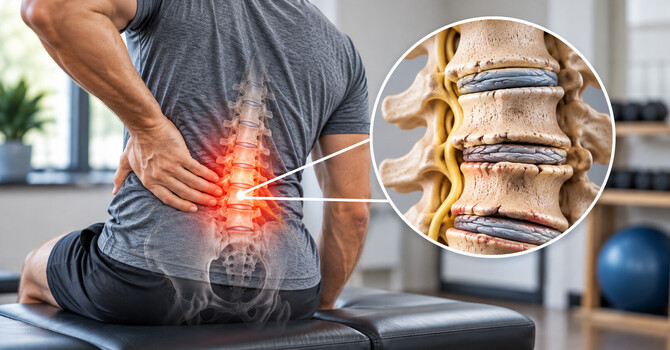
Spinal stenosis occurs when spaces within the spine become narrowed, potentially placing pressure on the spinal cord or nearby nerve roots. Depending on the location and severity of the narrowing, symptoms may include back pain, neck pain, numbness, tingling, weakness, or difficulty walking.
At Northwood Chiropractic & Wellness in Maple Grove, MN, we evaluate patients with back pain, radiating leg symptoms, and other spinal conditions to determine whether conservative treatment is appropriate.
Understanding what causes spinal stenosis and how it affects the nerves can help you recognize symptoms and explore appropriate treatment options.
What Is Spinal Stenosis?
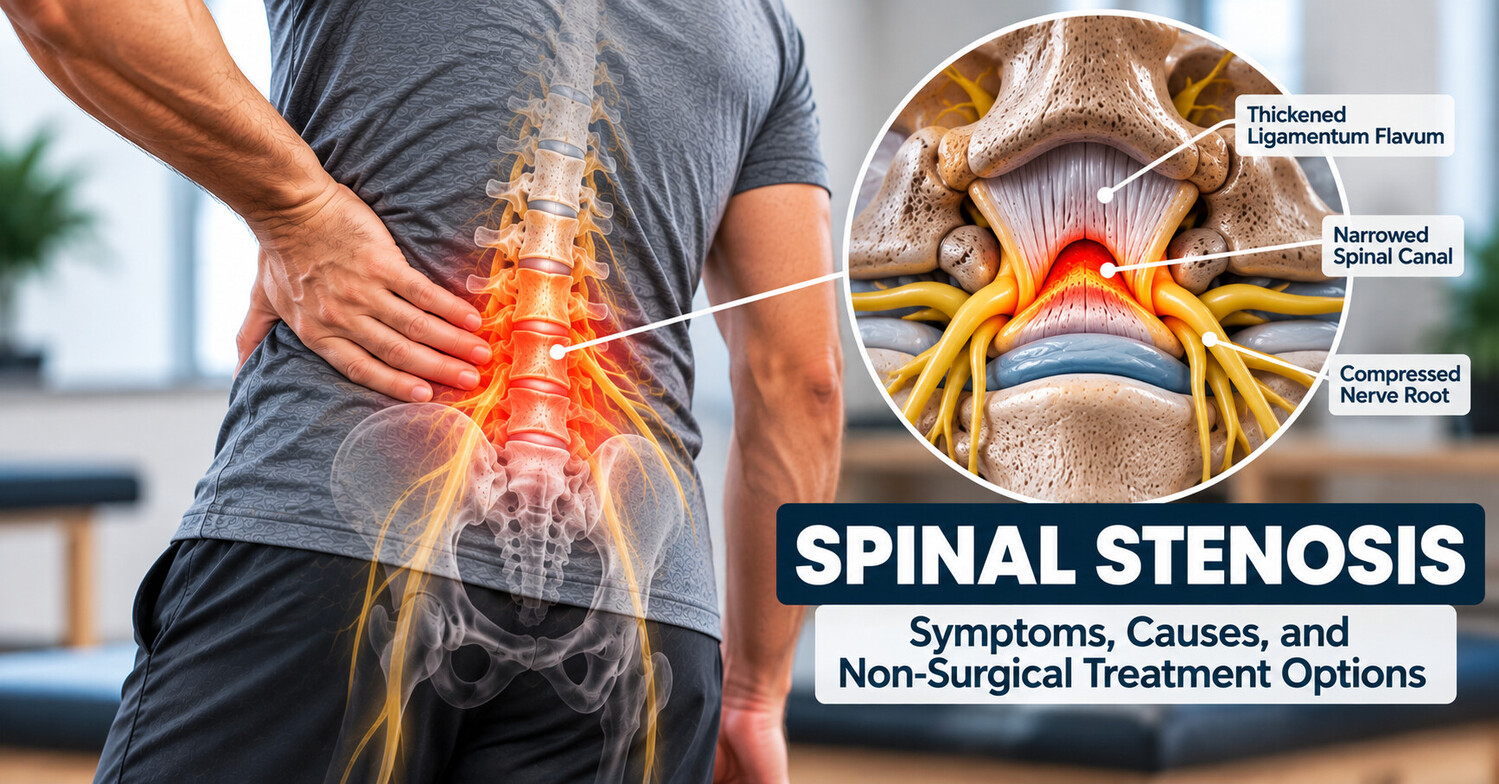
The spine contains a central canal that houses the spinal cord and nerve structures. Nerve roots also travel through smaller openings called neural foramina as they exit the spine.
Spinal stenosis describes narrowing within these spaces.
There are several types of spinal narrowing:
-
Central canal stenosis: Narrowing of the main spinal canal.
-
Foraminal stenosis: Narrowing of the openings where spinal nerve roots exit.
-
Lateral recess stenosis: Narrowing of the passageways where nerve roots travel before exiting the spine.
Not everyone with spinal stenosis experiences symptoms. The clinical importance depends on which structures are affected and whether the narrowing corresponds with the patient's symptoms and examination findings.
What Causes Spinal Stenosis?
Spinal stenosis most commonly develops from age-related changes affecting the spinal discs, joints, and surrounding structures.
1. Degenerative Disc Disease
As spinal discs undergo age-related changes, they may lose height and flexibility.
Degenerative disc disease can contribute to narrowing around the spinal nerves, particularly when combined with other degenerative changes.
However, disc degeneration alone does not necessarily cause spinal stenosis or symptoms.
2. Disc Bulges and Herniations
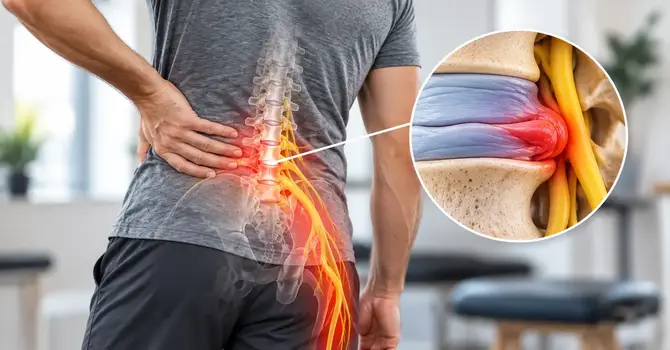
A herniated disc or bulging disc may extend into the spinal canal or neural foramen, reducing the available space for nearby nerves.
The location and size of the disc abnormality help determine whether nerve compression is present.
3. Facet Joint Arthritis
Facet joints are located along the back of the spine and help guide movement.
With age, these joints may develop arthritic changes and enlargement, potentially contributing to spinal narrowing.
4. Thickening of Spinal Ligaments
Ligaments help support and stabilize the spine.
Over time, certain spinal ligaments, including the ligamentum flavum, may thicken or buckle inward as degenerative changes develop.
This can reduce the available space within the spinal canal.
5. Spondylolisthesis
Spondylolisthesis occurs when one vertebra slips relative to another.
Depending on the location and degree of displacement, this can contribute to narrowing of the spinal canal or neural foramina.
What Are the Symptoms of Lumbar Spinal Stenosis?
Lumbar spinal stenosis affects the lower back.
Some patients experience localized back pain, but others primarily notice symptoms in the buttocks or legs.
Common symptoms may include:
-
Pain or aching in the lower back, buttocks, or legs
-
Numbness or tingling in one or both legs
-
Leg heaviness or fatigue during walking
-
Weakness or reduced walking tolerance
-
Symptoms that worsen during prolonged standing
-
Relief when sitting or bending forward
A particularly characteristic symptom pattern is known as neurogenic claudication.
What Is Neurogenic Claudication?
Neurogenic claudication describes leg discomfort associated with compression or irritation of spinal nerves, commonly in lumbar spinal stenosis.
Patients may notice that symptoms increase while standing upright or walking and improve when sitting or leaning forward.
For example, some people find it easier to walk while leaning over a shopping cart than while standing completely upright.
This occurs partly because bending forward can increase the available space within portions of the lumbar spinal canal.
However, not all leg pain during walking is caused by spinal stenosis. Circulation problems, hip conditions, and other medical issues can produce similar symptoms.
A thorough examination is important to distinguish these possibilities.
Can Spinal Stenosis Cause Sciatica?
Yes.
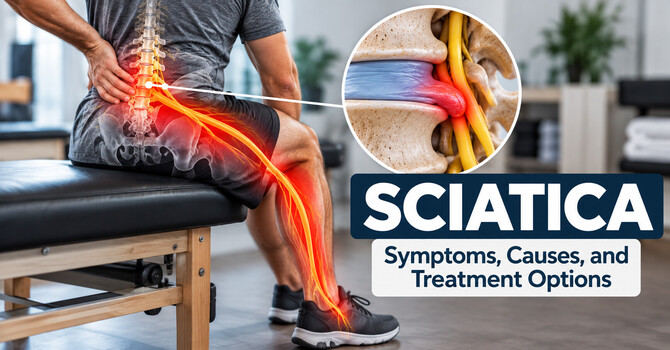
When spinal narrowing affects a lumbar nerve root, it may cause radiating pain, numbness, tingling, or weakness in the leg.
These symptoms can overlap with sciatica and lumbar radiculopathy.
The distinction is important because spinal stenosis, disc herniations, and other conditions may require different treatment approaches.
What Are the Symptoms of Cervical Spinal Stenosis?
Cervical spinal stenosis occurs in the neck.
Narrowing around a cervical nerve root may produce neck pain, shoulder pain, or symptoms extending into the arm or hand.
More importantly, significant narrowing that compresses the spinal cord can lead to cervical myelopathy.
Potential warning signs include:
-
Difficulty with balance or walking
-
Loss of hand coordination or dexterity
-
Increasing difficulty buttoning clothing or handling small objects
-
Weakness in the arms or legs
-
Progressive numbness or neurological changes
Symptoms suggesting spinal cord involvement require prompt medical evaluation. Suspected cervical myelopathy should not be managed as routine mechanical neck pain.
How Is Spinal Stenosis Diagnosed?
Diagnosis begins with a detailed history and physical examination.
Your provider may evaluate:
-
Pain location and symptom patterns
-
Walking and standing tolerance
-
Muscle strength
-
Reflexes and sensation
-
Spinal range of motion
-
Balance and gait
-
Orthopedic and neurological findings
-
Activities or positions that relieve or aggravate symptoms
Imaging may be recommended when spinal stenosis is suspected.
X-rays
X-rays can identify degenerative changes, vertebral alignment abnormalities, bone spurs, and certain findings associated with spinal narrowing.
However, X-rays cannot directly determine the degree of nerve or spinal cord compression.
MRI
An MRI of the spine is commonly used to evaluate spinal stenosis because it provides detailed images of the spinal canal, discs, nerve roots, spinal cord, and surrounding soft tissues.
MRI findings should be interpreted alongside the patient's symptoms and neurological examination.
Can Spinal Stenosis Improve Without Surgery?
Many patients with lumbar spinal stenosis can manage symptoms through conservative treatment, particularly when neurological function is stable.
Conservative management may include:
-
Therapeutic exercise
-
Strengthening and conditioning
-
Activity modification
-
Physical rehabilitation
-
Appropriate manual therapies
-
Medical pain management when indicated
For patients with neurogenic claudication, rehabilitation may emphasize improving walking tolerance, lower extremity strength, and positions or movements that are better tolerated.
Conservative treatment does not necessarily reverse the structural narrowing, but it may improve symptoms and physical function.
Can Chiropractic Care Help With Spinal Stenosis?
Some patients with lumbar spinal stenosis may benefit from a conservative treatment plan that includes appropriate manual therapy, exercise, and movement-based rehabilitation.
At Northwood Chiropractic & Wellness, treatment recommendations depend on the patient's symptoms, neurological examination, imaging findings when available, and overall health.
Depending on the presentation, care may incorporate:
-
Chiropractic care when clinically appropriate
-
Therapeutic exercise to improve strength and mobility
-
Manual therapy for selected musculoskeletal impairments
-
Education regarding posture, movement, and activity modification
-
Rehabilitation focused on walking and daily functional activities
Treatment must be individualized. Spinal manipulation is not appropriate for every patient, particularly when significant neurological compromise or spinal cord compression is suspected.
Is Non-Surgical Spinal Decompression Appropriate for Spinal Stenosis?
Non-surgical spinal decompression uses controlled mechanical traction to apply forces to the spine.
Although traction is sometimes considered for selected spinal conditions, there is insufficient high-quality evidence to establish it as an effective treatment for spinal stenosis.
It does not reliably reverse the structural narrowing caused by enlarged joints, thickened ligaments, or bony changes.
Patients with significant neurological deficits, suspected spinal cord compression, or other contraindications require appropriate medical evaluation rather than routine traction treatment.
When Does Spinal Stenosis Require Surgery?
Surgical evaluation may be considered when spinal stenosis causes persistent disabling symptoms despite appropriate conservative care or when significant neurological compression is present.
Progressive muscle weakness, worsening walking ability, and symptoms suggesting spinal cord dysfunction may warrant earlier specialist assessment.
Seek emergency medical attention for new loss of bowel or bladder control, numbness in the saddle or groin region, or severe or rapidly worsening neurological deficits.
What Can You Do at Home for Spinal Stenosis?
For people with uncomplicated lumbar spinal stenosis, certain strategies may help improve comfort and activity tolerance.
-
Stay active within your tolerance: Short, frequent walks or other low-impact activities may be more manageable than prolonged activity.
-
Consider cycling: Some patients tolerate stationary cycling better than upright walking because of the slightly flexed position.
-
Build strength: Appropriate strengthening of the hips, legs, and trunk can help maintain function.
-
Change positions regularly: Avoid remaining in positions that consistently aggravate symptoms.
-
Pace activities: Gradually increase walking and exercise tolerance instead of repeatedly pushing through severe symptoms.
-
Follow an individualized rehabilitation program: Exercises should reflect your examination findings and neurological status.
Progressive weakness, worsening balance, or other neurological changes should prompt medical reassessment.
Spinal Stenosis Treatment in Maple Grove, MN
If you're experiencing lower back pain, leg heaviness, numbness, tingling, or discomfort that worsens during standing or walking, spinal stenosis may be one possible explanation.
At Northwood Chiropractic & Wellness in Maple Grove, Minnesota, we evaluate spinal and musculoskeletal conditions to help determine the likely source of symptoms and whether conservative treatment is appropriate.
Depending on your examination findings, care may include chiropractic treatment, therapeutic exercise, manual therapy, and individualized rehabilitation recommendations.
Our goal is to help you understand your condition, improve your ability to move comfortably, and determine an appropriate treatment plan.
Schedule your new patient visit to have your symptoms evaluated and discuss your treatment options.

Dr. Greg Beenken
Contact Me