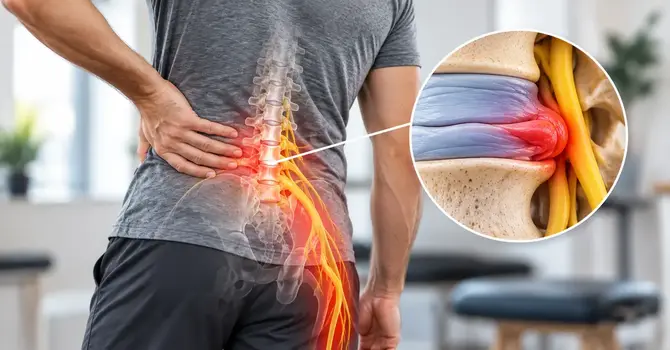
If you’re experiencing pain that starts in your lower back or buttock and travels down your leg, you may be dealing with sciatica. Sciatic nerve pain can range from a mild ache to severe, sharp, burning, or electric pain that makes sitting, walking, working, exercising, or sleeping difficult.
At Northwood Chiropractic & Wellness in Maple Grove, MN, we evaluate patients with low back pain, leg pain, numbness, tingling, and other symptoms that may be associated with irritation of the sciatic nerve. The goal is not simply to identify where you hurt, but to determine what may be causing the symptoms so an appropriate treatment plan can be developed.
What Is Sciatica?
Sciatica describes symptoms associated with irritation or compression of the sciatic nerve or the nerve roots that form it.
The sciatic nerve is the largest nerve in the body. It originates from nerve roots in the lower spine and travels through the buttock and down the leg.
Because of this pathway, sciatica can cause symptoms in several areas, including the:
-
Lower back
-
Buttock
-
Hip
-
Back or side of the thigh
-
Calf
-
Foot and toes
Sciatica commonly affects one leg, although the exact location and severity of symptoms depend on which nerve structures are involved.
What Does Sciatica Feel Like?
Sciatica doesn't feel the same for everyone. Some people primarily experience pain, while others notice neurological symptoms such as numbness or tingling.
Common sciatica symptoms include:
-
Sharp or shooting pain down the leg
-
Burning or electric-like pain
-
Buttock pain
-
Numbness or tingling in the leg or foot
-
Pain that becomes worse while sitting
-
Low back pain accompanied by leg pain
-
Muscle weakness in the leg or foot
-
Pain aggravated by bending, lifting, coughing, or sneezing
The pattern of your symptoms can provide important information about which structures in the lower back may be involved.
What Causes Sciatica?
Sciatica is a symptom rather than a specific diagnosis. This distinction is important because successful treatment depends on identifying the underlying problem.
Several conditions can contribute to sciatic nerve symptoms.
Lumbar Disc Bulge or Herniated Disc
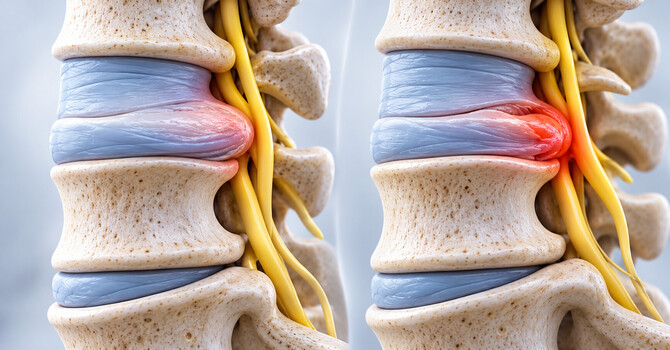
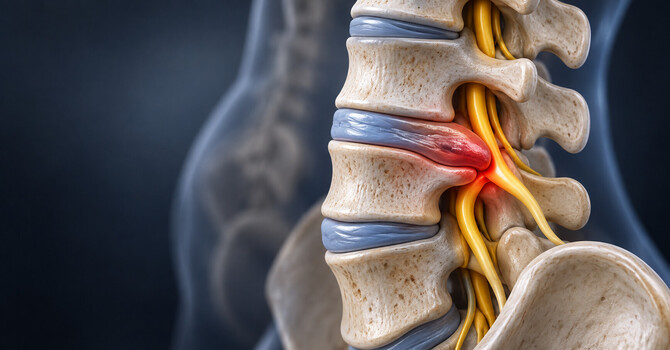
The discs between the vertebrae act as cushions in the spine. If a lumbar disc bulges or herniates, it may irritate or compress a nearby spinal nerve.
A herniated disc in the lower back is one of the common causes of pain radiating into the leg.
Degenerative Disc Disease
As spinal discs change over time, they may lose height and alter the amount of space available for nearby nerves. These degenerative changes can sometimes contribute to low back pain and nerve irritation.
Spinal Stenosis
Lumbar spinal stenosis occurs when the spaces available for the spinal nerves become narrowed. Depending on the location and severity, this narrowing can contribute to pain, numbness, tingling, or weakness in the legs.
Foraminal Stenosis
The spinal nerves exit the spine through openings called the neural foramina. If these openings become narrowed, a nerve root may become irritated or compressed.
Spondylolisthesis
Spondylolisthesis occurs when one vertebra shifts relative to the vertebra below it. In some patients, this can reduce the space available for the spinal nerves and contribute to sciatica-like symptoms.
Other musculoskeletal conditions can also produce pain that resembles sciatica, which is one reason an examination is important before beginning treatment.
How Is Sciatica Diagnosed?
When you visit our Maple Grove chiropractic clinic for sciatica, the first step is determining what may be causing your symptoms.
Evaluation may include a detailed health history, orthopedic testing, neurological testing, range-of-motion assessment, muscle strength testing, reflex testing, and examination of the lumbar spine, pelvis, and surrounding tissues.
When clinically appropriate, diagnostic imaging such as X-rays may also be recommended. In certain cases, advanced imaging such as an MRI may be appropriate and can be coordinated with another healthcare provider.
This evaluation helps determine whether conservative chiropractic care is appropriate or whether additional medical evaluation is warranted.
Chiropractic Treatment for Sciatica in Maple Grove
Treatment should be based on the underlying cause of your symptoms rather than using the same approach for every patient.
Depending on your examination findings, a conservative treatment plan at Northwood Chiropractic & Wellness may include:
Chiropractic Adjustments
Chiropractic adjustments may be used to improve joint mobility and address mechanical dysfunction involving the lower back and pelvis.
Non-Surgical Spinal Decompression
For appropriately selected patients, non-surgical spinal decompression may be incorporated into care. This treatment uses controlled traction forces to gently unload portions of the lumbar spine.
Spinal decompression may be considered for certain patients with disc-related conditions or nerve compression, depending on examination and imaging findings.
Therapeutic Exercise and Rehabilitation
Exercise is often an important component of treatment for low back pain and sciatica.
A rehabilitation program may focus on improving mobility, strength, spinal stability, movement patterns, and your ability to tolerate everyday activities.
Manual Therapy
Manual therapy may be used to address muscles and other soft tissues surrounding the lower back, hips, and pelvis when appropriate.
The combination of treatments used will depend on your diagnosis, symptoms, examination findings, and response to care.
Can Sciatica Go Away?
Some episodes of sciatica improve with time and conservative treatment. Others persist or repeatedly return because the underlying mechanical or structural problem has not been adequately addressed.
The expected recovery time varies considerably depending on factors such as the cause of the symptoms, severity of nerve involvement, duration of the condition, overall health, and activity demands.
An examination can help determine which factors may be contributing to your particular case.
When Should You Seek Care for Sciatica?
Consider having your symptoms evaluated if you have persistent pain traveling from the lower back or buttock into the leg, recurring episodes of sciatica, numbness or tingling, difficulty sitting or walking because of leg pain, or symptoms that aren't improving.
Certain symptoms require more urgent medical evaluation. Seek immediate medical attention for new loss of bowel or bladder control, numbness around the groin or saddle region, rapidly progressing leg weakness, or other severe or rapidly worsening neurological symptoms.
Looking for Sciatica Treatment in Maple Grove, MN?
If you're searching for a chiropractor for sciatica in Maple Grove, Minnesota, Northwood Chiropractic & Wellness can evaluate your condition and help determine what may be contributing to your low back and leg symptoms.
Our approach may incorporate chiropractic care, non-surgical spinal decompression, therapeutic exercise, manual therapy, and diagnostic X-rays when clinically appropriate.
Rather than treating every case of sciatica the same way, we begin by identifying the likely source of your symptoms and determining whether conservative care is appropriate.
Schedule an appointment with Northwood Chiropractic & Wellness in Maple Grove, MN to have your low back pain, leg pain, or sciatica evaluated.

Dr. Greg Beenken
Contact Me