What Is a Bulging or Herniated Disc?
Spinal discs sit between the vertebrae and help absorb and distribute forces through the spine.
Each spinal disc has a tougher outer layer surrounding a softer inner portion. Over time or following an injury, a disc can change shape or become damaged.
A disc bulge occurs when the outer portion of the disc extends beyond its normal boundary.
A disc herniation occurs when material from inside the disc pushes through or into the outer layers.
Neither finding automatically means you'll have pain. Disc bulges and herniations can exist without causing symptoms.
Problems are more likely when the disc itself becomes painful or when disc material irritates or compresses a nearby spinal nerve.
Depending on the location, symptoms may include:
- Neck or low back pain
- Pain traveling into an arm or leg
- Numbness or tingling
- Muscle weakness
- Changes in reflexes
- Symptoms aggravated by certain positions or movements
An MRI finding alone doesn't determine treatment—it needs to be considered alongside your symptoms and examination.
How We Evaluate Disc Problems
A disc finding on an MRI is only one piece of the picture.
When a disc problem is suspected, we look at how your symptoms behave and whether there are signs that a spinal nerve may be involved.
Your evaluation may include:
- Range-of-motion and movement testing
- Orthopedic testing
- Strength testing for possible nerve-related weakness
- Reflex and sensation testing
- Identifying positions or movements that increase or reduce symptoms
- Reviewing previous MRI, CT, or X-ray imaging when available
If you already have an MRI, bring the report and images with you. We'll compare the imaging findings with your symptoms and examination rather than assuming every abnormality on the scan is responsible for your pain.
When advanced imaging hasn't been performed, we'll determine whether your examination suggests that it may be appropriate.
The important question isn't simply “Do you have a disc bulge?”—it's whether that disc finding matches what's happening clinically.
How Are Disc Problems Treated?
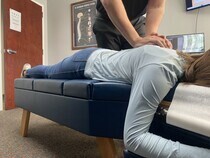
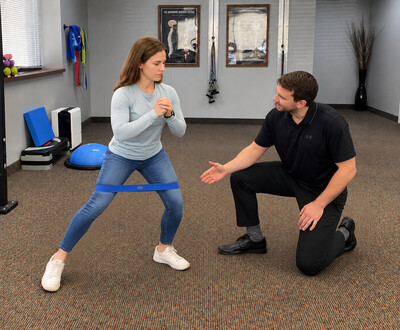
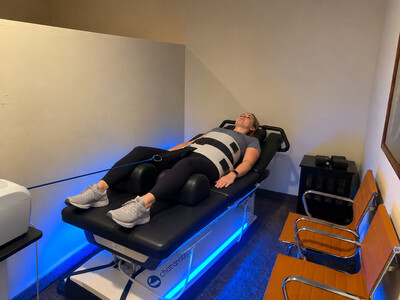

Activity Modification & Progression
Find Your Path to Recovery
The goal isn't to “put the disc back in place”—it's to reduce symptoms and help you regain function while monitoring the neurological findings that matter.
Your response to treatment matters. We'll monitor changes in pain, movement, strength, sensation, and function and adjust the plan accordingly.
When Does a Disc Problem Need More Urgent Evaluation?
Most disc problems don't require emergency treatment, but neurological changes should be taken seriously.
Additional evaluation may be appropriate when neck or back pain is accompanied by:
- Increasing numbness or tingling
- New or progressive muscle weakness
- Pain that continues to worsen or travel farther into an arm or leg
- Significant changes in reflexes or sensation
- Difficulty walking or changes in coordination
- Symptoms that aren't improving as expected
Seek immediate medical care for:
- New loss of bladder or bowel control
- Numbness in the groin or saddle area
- Severe or rapidly progressing weakness
- Significant difficulty walking
- Severe symptoms following major trauma
These findings can indicate more significant nerve compression or another condition requiring prompt medical evaluation.
If your examination at Northwood suggests that conservative treatment isn't appropriate, we'll recommend additional imaging or referral when needed.
Knowing when to refer is an important part of treating disc-related conditions appropriately.
Can a Herniated Disc Get Better?
A disc finding doesn't necessarily mean you'll have permanent pain or limitations.
Many people with disc-related symptoms improve without surgery. Recovery can vary depending on the location and severity of the problem, whether a nerve is involved, and how your symptoms change over time.
As symptoms improve, the focus typically shifts toward gradually restoring normal activity.
That may include:
- Walking and staying comfortably active
- Gradually restoring spinal movement
- Building strength and exercise tolerance
- Reducing prolonged positions that aggravate symptoms
- Progressively returning to lifting, work, sports, and recreation
- Monitoring numbness, tingling, or weakness as activity increases
Importantly, an abnormal-looking disc on an MRI doesn't necessarily need to look “normal” again for you to feel and function better.
Recovery is measured by how you're feeling and functioning—not by trying to create a perfect-looking MRI.
Dealing With a Bulging or Herniated Disc?
Start with an evaluation to determine whether your disc findings match your symptoms.
Whether you're experiencing back or neck pain, radiating pain, numbness, tingling, or weakness, we'll start by evaluating your symptoms and neurological findings and reviewing any imaging you already have.
Your first visit includes a consultation, comprehensive exam, X-rays if needed, and your first chiropractic adjustment when clinically appropriate—all for just $19.
We'll explain what we find and help you determine the appropriate next step.