Shooting Pain Down Your Leg? Understanding Lumbar Radiculopathy
What Causes Pinched Nerves in the Lower Back, and What Treatment Options Are Available?
Have you ever experienced sharp, shooting pain that travels from your lower back into your buttock, thigh, or leg? Maybe you've noticed tingling in your foot, numbness along your calf, or weakness when walking or climbing stairs.
These symptoms may be associated with a condition called lumbar radiculopathy, commonly described as a pinched nerve in the lower back.
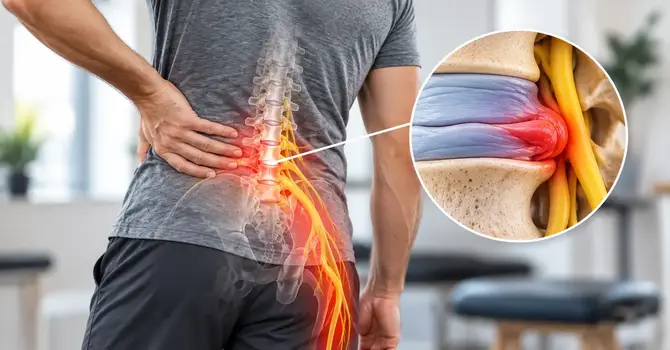
Unlike localized low back pain, lumbar radiculopathy occurs when a spinal nerve root becomes irritated or compressed, potentially causing symptoms that travel along the affected nerve's distribution.
At Northwood Chiropractic & Wellness in Maple Grove, MN, we evaluate patients experiencing back pain, radiating leg pain, numbness, tingling, and other symptoms that may involve the lumbar spine and surrounding nerves.
What Is Lumbar Radiculopathy?
Lumbar radiculopathy is a neurological condition involving irritation or dysfunction of a nerve root in the lower portion of the spine.
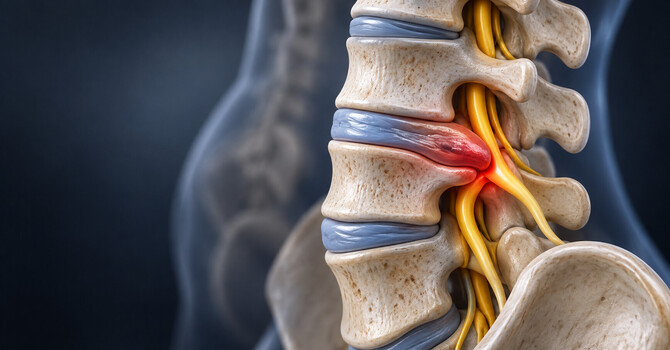
The lumbar spine contains five vertebrae, labeled L1 through L5. Nerve roots exit the spinal canal and contribute to the nerves supplying the hips, legs, and feet.
When one of these nerve roots becomes compressed or inflamed, symptoms may develop in the areas served by that nerve.
Common symptoms include:
-
Sharp or shooting pain into the buttock or leg
-
Burning or electrical sensations
-
Numbness or tingling
-
Muscle weakness
-
Changes in reflexes
-
Pain aggravated by certain spinal positions or movements
Although many people refer to these symptoms as a "pinched nerve," the underlying cause can vary considerably.
What Causes Lumbar Radiculopathy?
Several spinal conditions can irritate or compress a lumbar nerve root.
1. Herniated Discs
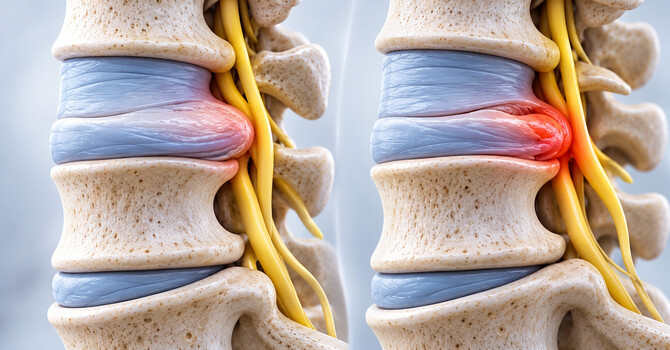
A herniated disc is one of the more common causes of lumbar radiculopathy.
Intervertebral discs provide cushioning between the vertebrae. When disc material becomes displaced, it may extend toward a nearby nerve root.
Depending on the location and severity of the herniation, this can cause radiating leg pain, numbness, tingling, or muscle weakness.
Not every disc herniation produces symptoms, however. The clinical examination must be considered alongside imaging findings.
2. Spinal Stenosis
Spinal stenosis occurs when spaces within the spine become narrowed.
Narrowing around the nerve roots may contribute to pain, numbness, or weakness, particularly during standing or walking.
Some patients notice that symptoms improve when sitting or leaning forward.
3. Degenerative Disc Disease
Age-related changes in the intervertebral discs can contribute to reduced disc height, joint changes, and narrowing around spinal nerves.
Degenerative disc disease is a common imaging description, but degenerative changes do not always produce symptoms.
4. Spondylolisthesis
Spondylolisthesis occurs when one vertebra slips relative to the vertebra below it.
In some cases, this can contribute to narrowing around the spinal nerves and cause radiating leg symptoms.
Lumbar Radiculopathy vs. Sciatica: What's the Difference?
The terms lumbar radiculopathy and sciatica are frequently used interchangeably, but they aren't identical.
Lumbar radiculopathy specifically refers to symptoms and neurological dysfunction involving a lumbar spinal nerve root.
Sciatica generally describes pain traveling along the distribution of the sciatic nerve, often from the buttock into the leg.
Sciatica may be caused by lumbar nerve root irritation, but not every case of radiating leg pain is caused by the same condition.
Understanding the source of the symptoms helps guide appropriate treatment.
Which Nerve Root Is Causing My Leg Pain?
The location of pain, numbness, and weakness can sometimes help identify which lumbar nerve root may be involved.
L3 Nerve Root
L3 radiculopathy may produce pain or sensory changes along the front of the thigh and toward the inner knee. Some patients experience weakness involving knee extension.
L4 Nerve Root
L4 nerve irritation may cause symptoms extending toward the front of the thigh, knee, or inner lower leg. Weakness involving knee extension or ankle dorsiflexion may occur.
L5 Nerve Root
L5 radiculopathy commonly produces symptoms along the outer leg and toward the top of the foot or big toe.
Some patients experience difficulty lifting the big toe or foot upward.
S1 Nerve Root
S1 nerve irritation may cause pain or sensory changes extending into the back of the calf, outer foot, or sole.
Weakness with pushing off the foot or performing a single-leg calf raise may also occur.
These patterns are helpful clinical clues, but symptoms can overlap between nerve roots. A neurological examination is necessary to evaluate strength, sensation, reflexes, and other findings.
Why Does My Leg Hurt More Than My Back?
Lumbar radiculopathy doesn't always cause severe lower back pain.
When a nerve root becomes irritated, pain may be experienced farther down the leg rather than primarily at the spine.
Some patients report relatively mild back discomfort accompanied by significant pain, tingling, or numbness in the leg or foot.
This is one reason why evaluating the lumbar spine can be important even when the most noticeable symptoms occur below the waist.
How Is Lumbar Radiculopathy Diagnosed?
An evaluation begins with a detailed history of the symptoms and a physical examination.
Your provider may assess:
-
Muscle strength in the legs and feet
-
Deep tendon reflexes
-
Sensation and areas of numbness
-
Lumbar range of motion
-
Straight-leg raise and other neurological tension tests
-
Walking and functional movement
-
Positions that reproduce or relieve symptoms
When clinically indicated, an MRI of the lumbar spine may help identify disc herniations, spinal stenosis, or other structures affecting a nerve root.
Not every patient with radiating leg pain requires immediate imaging. The decision depends on the severity and duration of symptoms, neurological findings, and whether concerning warning signs are present.
Can Lumbar Radiculopathy Improve Without Surgery?
Yes. Many patients with lumbar radiculopathy improve with time and appropriate conservative management.
Depending on the underlying cause and severity of symptoms, treatment may include activity modification, therapeutic exercise, rehabilitation, appropriate manual therapies, and medical pain-management options.
The goal is to reduce symptoms, preserve or restore neurological function, improve movement tolerance, and help patients return to normal activities.
Patients with progressive neurological deficits or symptoms that fail to improve may require additional medical or surgical evaluation.
Can Chiropractic Care Help With Lumbar Radiculopathy?
Some patients with lumbar radiculopathy may be appropriate candidates for conservative chiropractic management.
At Northwood Chiropractic & Wellness, the first step is identifying the likely source of symptoms and evaluating whether conservative care is appropriate.
Depending on the patient's condition, treatment may include:
-
Chiropractic care when appropriate for the patient's examination findings
-
Therapeutic exercises to improve strength and movement tolerance
-
Manual therapy for selected musculoskeletal impairments
-
Education regarding activities and positions that aggravate symptoms
-
Non-surgical spinal decompression for selected patients when traction is clinically appropriate
Spinal manipulation and traction are not suitable for every cause of radiating leg pain, and the evidence supporting mechanical spinal decompression for radiculopathy is limited. Treatment recommendations should account for neurological findings and the patient's overall condition.
When Is a Pinched Nerve an Emergency?
Although many cases of lumbar radiculopathy improve without surgery, certain symptoms require immediate medical attention.
Seek emergency evaluation if you experience:
-
New loss of bowel or bladder control
-
Numbness around the groin or saddle region
-
Significant or rapidly worsening leg weakness
-
New neurological symptoms affecting both legs, particularly with bladder or bowel changes
These symptoms can indicate serious neurological compression, including cauda equina syndrome.
New or progressive foot drop also warrants prompt medical assessment.
Lumbar Radiculopathy Treatment in Maple Grove, MN
If you're experiencing shooting pain down your leg, numbness in your foot, tingling, or persistent lower back pain, determining whether a spinal nerve is involved is an important first step.
At Northwood Chiropractic & Wellness in Maple Grove, Minnesota, we evaluate patients with spinal and musculoskeletal conditions to determine whether conservative treatment is appropriate.
Depending on your examination findings, care may incorporate chiropractic treatment, therapeutic exercise, manual therapy, and other individualized conservative approaches.
If your symptoms may be related to a pinched nerve in the lower back, schedule your new patient visit to have your condition evaluated and discuss appropriate treatment options.

Dr. Greg Beenken
Contact Me