What Causes Back Pain?
Back pain can come from several structures in and around the spine.
Low back pain doesn't always have one simple cause. Symptoms can develop from the joints, discs, muscles, ligaments, or nerves of the lower back, and more than one structure may contribute at the same time.
Common causes and contributing factors include:
- Muscle or ligament strains
- Irritation of the joints of the lower back
- Disc bulges or herniations
- Degenerative disc and joint changes
- Spinal or foraminal stenosis
- Spondylolisthesis
- Irritation or compression of a spinal nerve
- Injuries from sports, lifting, falls, or auto accidents
Back pain can also behave very differently between patients. Some people primarily have pain or stiffness across the lower back, while others develop symptoms into the buttock, thigh, or leg.
That's why determining how your symptoms behave and examining the areas involved is more useful than assuming every case of back pain has the same cause.
How We Evaluate Back Pain
The right treatment starts with understanding what may be contributing to your pain.
Back pain can have many different causes, so your first visit starts with a thorough history and examination rather than assuming you simply need an adjustment.
Your evaluation may include:
- Range-of-motion and movement testing
- Orthopedic testing
- Strength, reflex, and sensation testing when nerve involvement is suspected
- Evaluation of the lumbar spine, pelvis, hips, and surrounding muscles
- Identifying movements and positions that improve or aggravate your symptoms
- Reviewing previous X-rays, MRI, or other imaging when available
X-rays may be recommended when clinically appropriate. If your symptoms or examination suggest that an MRI, medical evaluation, or another type of testing is needed, we'll discuss the appropriate next step.
The goal is to determine what your examination tells us—not simply where it hurts.
How Is Back Pain Treated?

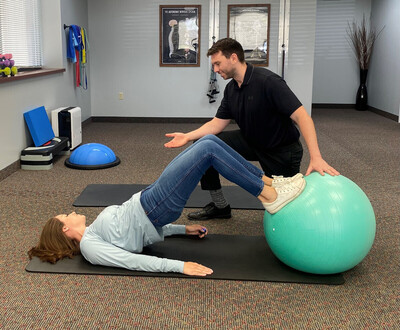
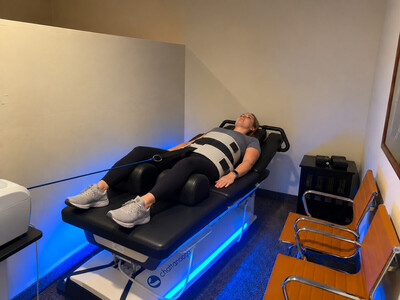

When Should You Get Back Pain Checked?
Most back pain isn't an emergency, but some symptoms deserve prompt evaluation.
Consider having your back pain evaluated if it:
- Persists or keeps returning
- Is significantly limiting work, sleep, exercise, or daily activities
- Travels into the buttock or leg
- Is accompanied by numbness, tingling, or weakness
- Began after a significant injury
- Is progressively getting worse rather than improving
Urgent symptoms
Seek immediate medical care for back pain accompanied by:
- New loss of bladder or bowel control
- Numbness around the groin or saddle area
- Severe or rapidly worsening leg weakness
- Fever or other signs of serious illness
- Significant trauma with severe pain
If your examination at Northwood suggests your condition requires additional imaging, medical evaluation, or referral, we'll help determine the appropriate next step.
Good conservative care also means recognizing when your back pain needs something other than conservative treatment.
Should You Stay Active With Back Pain?
For most people, gradually returning to comfortable movement is an important part of recovery.
Back pain can make you hesitant to move, but prolonged bed rest and avoiding activity altogether usually aren't the goal.
Depending on your condition, recovery may include:
- Continuing activities that remain comfortable
- Taking short walks throughout the day
- Changing positions regularly
- Temporarily modifying movements that significantly increase symptoms
- Gradually rebuilding strength and mobility
- Progressively returning to work, exercise, lifting, and recreational activities
The amount and type of activity that's appropriate will depend on your symptoms and examination findings. As you improve, activity can be progressed rather than waiting until you're completely pain-free before moving normally again.
Our goal is to help you become more confident and capable with movement—not afraid of your back.
Ready to Get Your Back Pain Checked?
Start with an evaluation to better understand what's contributing to your symptoms.
Whether your back pain started recently or has been bothering you for months, we'll begin by evaluating your symptoms, movement, and examination findings to determine the appropriate next step.
Your first visit includes a consultation, comprehensive exam, X-rays if needed, and your first chiropractic adjustment when clinically appropriate—all for just $19.