What Causes Low Back Pain?
Common Causes, Warning Signs, and Treatment Options for Lasting Relief
Low back pain is one of the most common musculoskeletal complaints, affecting people of all ages and activity levels. Whether it develops suddenly after lifting something heavy or gradually from repetitive stress, lower back pain can interfere with work, exercise, sleep, and everyday activities.
While some episodes of back pain resolve within a few days or weeks, others become persistent or frequently return. Understanding the underlying cause is an important step toward finding appropriate treatment and preventing recurring problems.
At Northwood Chiropractic & Wellness in Maple Grove, MN, we evaluate patients experiencing acute and chronic low back pain, including conditions involving spinal discs, joints, muscles, and nerves.
What Are the Most Common Causes of Low Back Pain?
Low back pain isn't a single diagnosis. It is a symptom that can develop from several different structures in the lumbar spine and surrounding tissues.
Some of the most common causes include:
1. Muscle Strains and Ligament Sprains
Muscle strains and ligament sprains can develop from lifting, twisting, repetitive movements, sports injuries, or sudden increases in physical activity.
Symptoms may include localized pain, stiffness, muscle spasms, and difficulty bending or standing upright.
Although these injuries can be painful, many improve with appropriate activity modification, gradual movement, and conservative treatment.
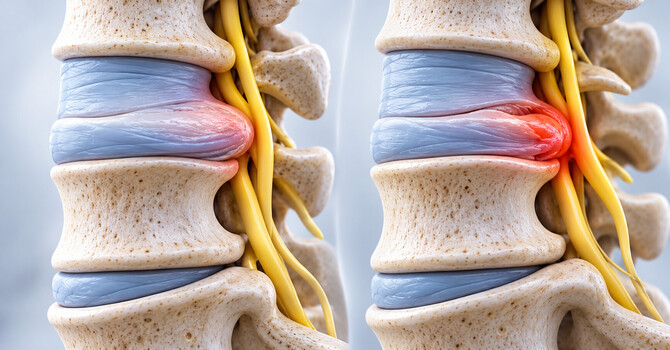
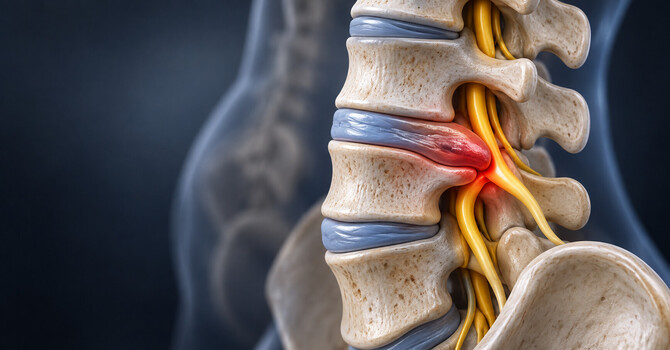
2. Herniated or Bulging Discs
The intervertebral discs provide cushioning between the vertebrae and help absorb forces throughout the spine.
A herniated disc occurs when disc material becomes displaced beyond its normal boundaries. A disc bulge involves a broader extension of the disc.
Not every disc abnormality causes pain. However, some disc changes can contribute to inflammation or compression of nearby spinal nerves.
Learn more about the differences between a bulging disc and herniated disc and why MRI findings don't always explain a patient's symptoms.
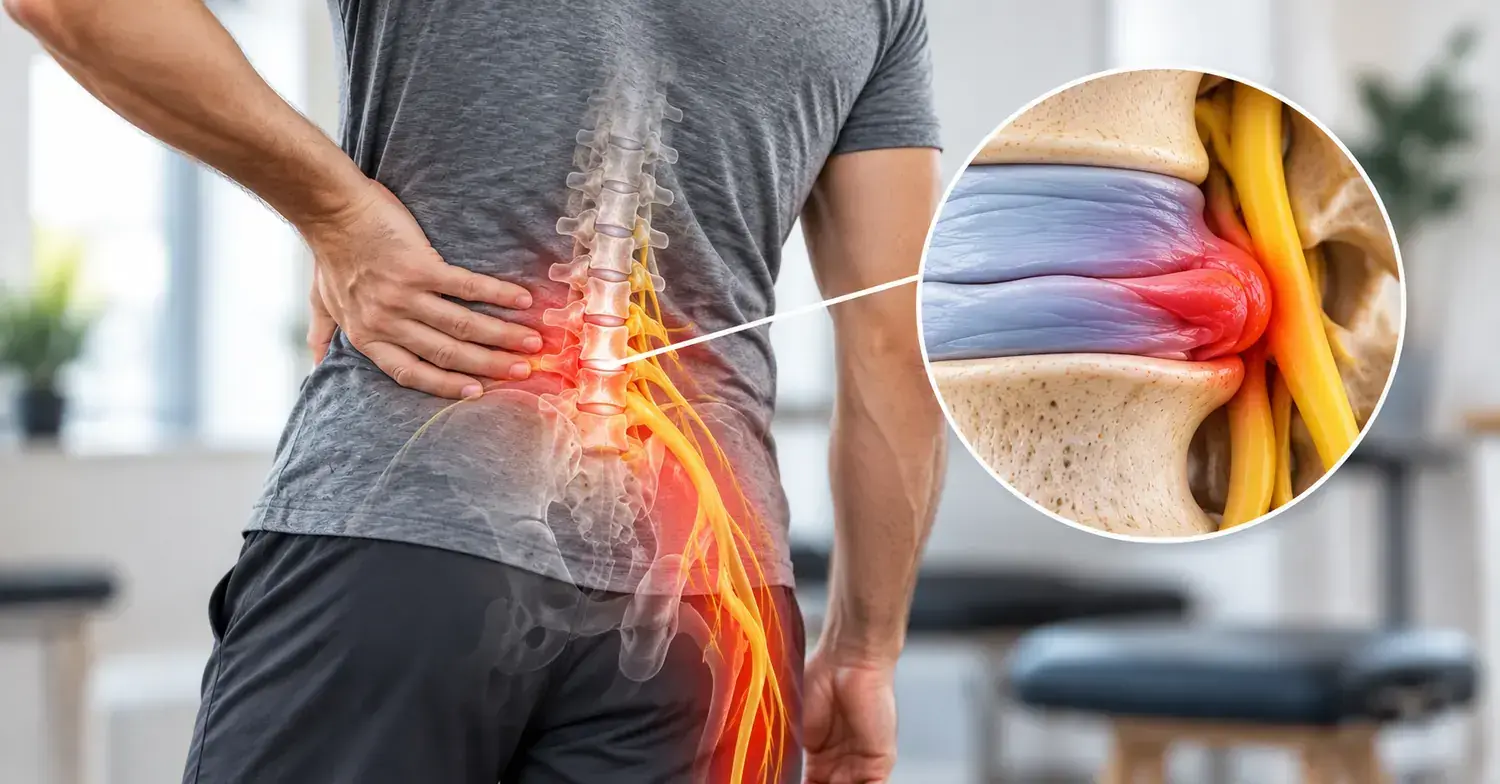
3. Sciatica and Lumbar Nerve Irritation
When a spinal nerve root becomes irritated or compressed, symptoms may extend beyond the lower back.
Sciatica commonly produces pain that travels into the buttock, thigh, calf, or foot. Some people also experience numbness, tingling, burning sensations, or muscle weakness.
A lumbar disc herniation is one possible cause, but spinal stenosis and other conditions can also contribute to nerve-related symptoms.
4. Lumbar Facet Joint Pain
Facet joints are small joints located along the back of the spine. They help guide movement and provide stability.
These joints can become a source of pain due to age-related changes, injury, or mechanical irritation.
Facet-related pain may be aggravated by certain movements, particularly backward bending or rotation. However, symptoms alone cannot reliably confirm that the facet joints are responsible.
5. Sacroiliac Joint Dysfunction
The sacroiliac joints connect the sacrum to the pelvis and help transfer forces between the upper and lower body.
Sacroiliac joint pain may produce discomfort near the lower back, buttock, or posterior pelvis. Symptoms can sometimes resemble other lumbar spine conditions.
A thorough examination helps distinguish possible SI joint pain from lumbar nerve irritation, hip problems, and other causes.
6. Degenerative Disc Disease and Spinal Stenosis
Age-related changes can affect the spinal discs, joints, and surrounding structures.
Degenerative disc disease describes structural changes in the intervertebral discs, although these findings do not necessarily cause pain.
Spinal stenosis occurs when spaces within the spine narrow, potentially affecting nearby nerves.
Lumbar spinal stenosis may cause leg pain, numbness, or heaviness that worsens during standing or walking and improves with sitting or bending forward.
Why Does My Lower Back Hurt When I Sit?
Sitting can increase discomfort in some people with low back pain, particularly when prolonged positioning aggravates sensitive spinal structures.
Common contributing factors may include reduced movement, sustained spinal positioning, muscle fatigue, and certain disc-related conditions.
However, pain with sitting doesn't automatically mean you have a herniated disc.
A clinical examination can help identify which movements and positions reproduce symptoms and whether neurological involvement is present.
Why Does My Lower Back Hurt When I Stand or Walk?
Low back pain that develops during prolonged standing or walking can have several possible causes.
For some people, symptoms are related to muscular fatigue or mechanical loading of the lumbar spine.
Others may experience symptoms associated with lumbar spinal stenosis, particularly when leg pain or heaviness improves after sitting.
Because different conditions can produce similar symptoms, identifying the pattern of pain is important.
When Is Low Back Pain a Sign of Something Serious?
Most episodes of low back pain are not caused by dangerous medical conditions.
However, certain symptoms require immediate medical attention, including:
-
New loss of bowel or bladder control
-
Numbness in the groin or saddle region
-
Significant or rapidly worsening leg weakness
-
Severe back pain following major trauma
Back pain accompanied by unexplained fever, unexplained weight loss, or a history of cancer also warrants prompt medical evaluation.
These symptoms may indicate conditions requiring medical investigation rather than routine conservative care.
How Is Low Back Pain Diagnosed?
An effective evaluation begins with understanding when the symptoms started, where they occur, and which activities make them better or worse.
A physical examination may assess:
-
Lumbar range of motion
-
Muscle strength and flexibility
-
Neurological function
-
Reflexes and sensation
-
Orthopedic examination findings
-
Movement patterns
-
Possible involvement of the hips and pelvis
Imaging may be recommended when clinical findings indicate a need for additional investigation.
Although X-rays can help evaluate certain bony structures and alignment, MRI is generally more useful when detailed assessment of spinal discs, nerves, or other soft tissues is necessary.
Routine imaging is not necessary for every episode of uncomplicated low back pain.
Can Chiropractic Care Help With Low Back Pain?
For some patients with nonspecific or mechanical low back pain, chiropractic care may be an appropriate component of conservative treatment.
At Northwood Chiropractic & Wellness, treatment recommendations are based on the patient's history, examination findings, symptoms, and functional limitations.
Depending on the condition, a treatment plan may incorporate:
-
Chiropractic adjustments to address appropriate spinal mobility and mechanical complaints
-
Therapeutic exercises to improve strength, coordination, and movement tolerance
-
Manual therapy to address selected musculoskeletal impairments
-
Education regarding activity modification and gradual return to normal activities
-
Non-surgical spinal decompression for appropriately selected patients when traction is considered suitable
No single treatment is appropriate for every cause of low back pain. The goal is to identify the patient's specific needs and recommend an evidence-informed approach.
What Can You Do at Home for Low Back Pain?
For many people with uncomplicated low back pain, staying gently active is more helpful than prolonged bed rest.
Strategies may include:
-
Taking short walks as tolerated
-
Changing positions regularly throughout the day
-
Temporarily reducing activities that significantly aggravate symptoms
-
Using heat for short-term comfort
-
Gradually returning to normal exercise and activity
-
Performing individualized mobility and strengthening exercises
Avoid forcing movements that produce worsening radiating pain, progressive numbness, or weakness.
Persistent or worsening symptoms should be evaluated rather than repeatedly treated through self-management alone.
How Long Does Low Back Pain Take to Improve?
Recovery depends on the cause, severity, duration of symptoms, and individual health factors.
Many episodes of acute low back pain improve substantially within several weeks. Other conditions, particularly those involving nerve irritation or persistent functional limitations, may require additional evaluation and a more individualized rehabilitation approach.
The goal should extend beyond temporary symptom relief to improving function, restoring confidence in movement, and reducing the impact of future episodes.
Low Back Pain Treatment in Maple Grove, MN
If you're experiencing persistent low back pain, recurring episodes of stiffness, or discomfort traveling into your buttock or leg, determining the underlying cause is an important first step.
At Northwood Chiropractic & Wellness in Maple Grove, Minnesota, we provide individualized evaluations and conservative treatment options for patients experiencing spinal and musculoskeletal conditions.
Depending on your examination findings, treatment may include chiropractic care, therapeutic exercise, manual therapy, and other appropriate conservative approaches.
Whether your symptoms began after an injury or have gradually developed over time, our goal is to help you better understand your condition and determine an appropriate treatment plan.
Schedule your new patient visit at Northwood Chiropractic & Wellness to have your low back pain evaluated and discuss your treatment options.

Dr. Greg Beenken
Contact Me