Staying active as you get older isn't about trying to move the same way you did at 25. It's about maintaining the strength, mobility, balance, and confidence you need to keep doing the things that matter to you.
That might mean playing with your grandchildren, golfing, gardening, traveling, exercising, or simply getting up and down stairs comfortably.
While some physical changes occur with age, regular movement and exercise remain important throughout life.
Here are seven practical ways to help maintain your mobility and independence as you get older.
1. Keep Walking
Walking is one of the simplest ways to stay physically active.
It requires very little equipment, can be adjusted to your current fitness level, and provides regular opportunities to move your hips, knees, ankles, and spine.
If long walks aren't comfortable, start shorter and gradually build your tolerance.
Consistency matters more than trying to hit a particular distance immediately.
2. Maintain Your Strength
Strength becomes increasingly important as we age.
Being stronger can make everyday activities such as getting out of a chair, carrying groceries, climbing stairs, and participating in recreational activities easier.
Resistance training doesn't necessarily mean lifting heavy weights.
Depending on your current abilities, strengthening may begin with body-weight exercises, resistance bands, machines, dumbbells, or individualized rehabilitation and movement exercises.
The important thing is continuing to challenge your muscles appropriately.
3. Work on Your Balance
Balance involves several systems working together, including your muscles, joints, vision, inner ear, and nervous system.
Like strength, balance can be trained.
Exercises may include standing with a narrower base of support, single-leg activities when appropriate, walking variations, or other progressively challenging movements.
If you have significant balance problems or a history of falls, it's worth discussing them with a healthcare professional before beginning more challenging exercises.
4. Keep Your Joints Moving
Stiffness can make everyday activities more difficult.
Regular movement gives your joints opportunities to move through comfortable ranges of motion.
That might include walking, mobility exercises, strength training, swimming, cycling, or simply moving more frequently throughout the day.
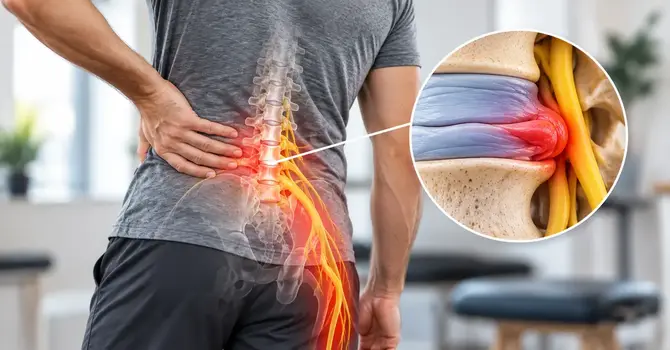
If neck pain, back pain, hip pain, or another joint problem is limiting your ability to stay active, identifying what's contributing to the problem can help determine an appropriate next step.
5. Don't Stop Doing the Activities You Enjoy
Physical activity doesn't have to happen in a gym.
Golfing, gardening, hiking, biking, swimming, dancing, and playing with grandchildren all count as movement.
Finding activities you actually enjoy can make it much easier to remain active consistently.
If pain is keeping you from an activity you love, the goal should often be to determine how you can safely work toward doing it again—not simply abandon the activity forever.
6. Gradually Build What Your Body Can Handle
Your body adapts to the demands you regularly place on it.
If you've been inactive for several months, jumping immediately into an intense exercise program may leave you unnecessarily sore or aggravate an existing problem.
Start with what you can currently tolerate and gradually increase the challenge.
This might mean increasing walking distance, adding resistance to an exercise, progressing a balance activity, or slowly returning to a sport.
Small improvements add up.
7. Address Problems That Are Limiting Your Movement
Pain and stiffness sometimes make people increasingly inactive.
Unfortunately, less activity can also contribute to reductions in strength, mobility, and confidence.
If a musculoskeletal problem is preventing you from staying active, an evaluation may help identify what is limiting you.
Depending on the findings, treatment may include chiropractic care, rehabilitation exercises, massage therapy, or other appropriate treatment options.
The goal isn't simply to make something hurt less for a few hours.
It's to help you continue moving and participating in the activities that are important to you.
Staying Active in Maple Grove, MN
You don't have to train like an athlete to benefit from being active.
Walking regularly, maintaining strength, challenging your balance, and continuing to participate in activities you enjoy can all contribute to maintaining physical function as you get older.
At Northwood Chiropractic & Wellness, we work with patients who want to keep moving despite pain, stiffness, previous injuries, or other musculoskeletal problems.
We'll help you understand what's limiting you and determine an appropriate plan to help you move forward.
Start Feeling Better for Just $19
Your first visit includes a consultation, comprehensive exam, X-rays if needed, and your first chiropractic adjustment.
CLAIM YOUR $19 NEW PATIENT SPECIAL

Dr. Greg Beenken
Contact Me