Even a relatively minor car accident can leave you sore, stiff or uncomfortable.
Neck pain, headaches and back pain may begin immediately after a collision—or become more noticeable over the next several hours or days.
One of the most common questions after an accident is:
When should I get checked?
If you're experiencing new or worsening symptoms following a collision, an evaluation can help determine what's injured and what type of treatment is appropriate.
Common Symptoms After a Car Accident
Symptoms vary depending on the type and severity of the collision.
Common complaints include:
- Neck pain and stiffness
- Headaches
- Upper-back pain
- Low-back pain
- Shoulder pain
- Muscle soreness
- Difficulty turning your head
- Pain with sitting or driving
- Numbness or tingling
- Dizziness
Some soreness after an accident may be temporary, but symptoms that persist, worsen or interfere with normal activities deserve attention.
What Is Whiplash?
Whiplash describes an acceleration-deceleration injury commonly associated with motor vehicle collisions.
The sudden forces involved in an accident can affect muscles, joints, ligaments and other structures around the neck.
Common symptoms include neck pain, stiffness, reduced motion and headaches.
Symptoms can vary considerably from person to person, which is why treatment shouldn't be based solely on the fact that someone was involved in an accident.
Can Symptoms Start After the Accident?
Yes.
Not everyone experiences their worst symptoms immediately after a collision.
Pain and stiffness may become more noticeable over the hours or days following an accident.
That doesn't automatically mean a serious injury occurred, but new or worsening symptoms should be evaluated appropriately.
When Is Imaging Needed?
Not everyone involved in a car accident automatically needs X-rays or advanced imaging.
The decision depends on factors such as:
- How the accident occurred
- Your symptoms
- Your examination
- Areas of tenderness
- Neurological findings
- Previous injuries
- Other clinical risk factors
When appropriate, X-rays may be used to evaluate the cervical or lumbar spine.
More significant neurological symptoms or suspected disc, ligament or other soft-tissue injuries may require additional imaging or medical evaluation.
Can Chiropractic Care Help After a Car Accident?
For appropriate musculoskeletal injuries, chiropractic care can be one part of conservative treatment.
Care may include:
- Chiropractic adjustments or mobilization
- Rehabilitation and movement
- Exercises to restore strength and mobility
- Massage therapy
- Activity recommendations
- Referral for additional evaluation when necessary
Treatment should be based on your specific injuries and symptoms—not simply because you were involved in an accident.
What About Disc Injuries?
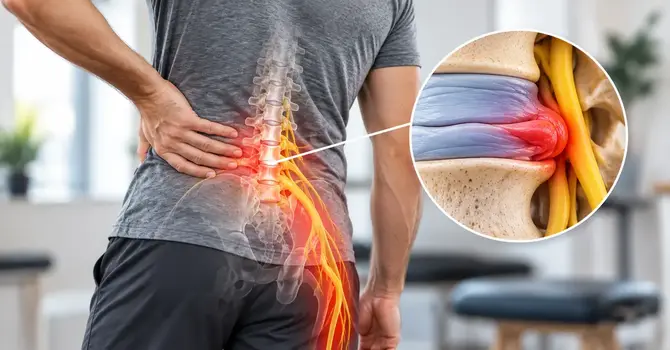
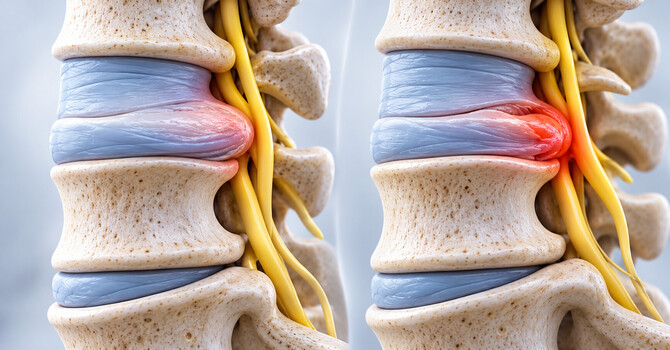
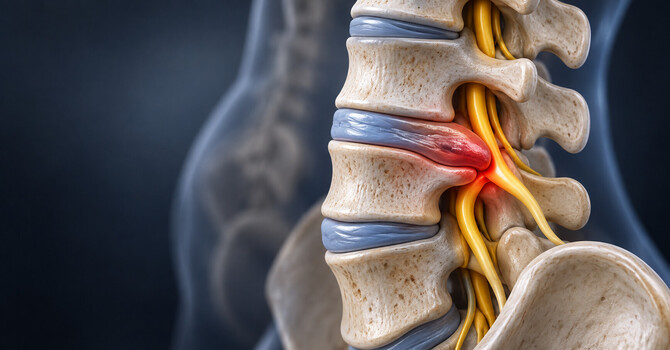
Car accidents can sometimes aggravate or contribute to disc-related symptoms.
A disc problem may cause localized neck or back pain, but irritation of a spinal nerve can also produce symptoms into an arm or leg.
These may include:
- Radiating pain
- Numbness
- Tingling
- Weakness
Depending on the findings, treatment may include conservative care, rehabilitation or spinal decompression.
More significant neurological symptoms may require medical or specialist evaluation.
Should You Rest After a Car Accident?
A short period of modifying painful activities may be appropriate.
However, prolonged complete rest isn't usually the goal for routine musculoskeletal injuries.
As symptoms allow, gradually returning to normal movement and activity can be an important part of recovery.
Rehabilitation and movement may be used to progressively restore mobility, strength and tolerance to everyday activities.
When Should You Seek Immediate Medical Care?
Some symptoms after a collision require more urgent evaluation.
Seek prompt medical attention for symptoms such as:
- Loss of consciousness
- Severe or rapidly worsening headache
- Confusion
- Significant dizziness or difficulty walking
- New or progressive weakness
- Loss of bowel or bladder control
- Numbness around the groin or saddle region
- Severe chest or abdominal pain
- Difficulty breathing
- Significant trauma with severe or worsening symptoms
Chiropractic treatment isn't a substitute for emergency medical care when a serious injury is suspected.
How Long Does Whiplash Take to Heal?
There isn't one universal recovery timeline.
Some people improve relatively quickly, while others experience symptoms for considerably longer.
Recovery can depend on the severity of the injury, previous health and injuries, neurological symptoms, psychological and social factors, and how someone progresses during rehabilitation.
That's why we don't promise that a whiplash injury will resolve within a certain number of visits or weeks.
Treatment should change as you improve.
Auto Injury Care in Maple Grove, MN
At Northwood Chiropractic & Wellness, we evaluate patients experiencing neck pain, back pain, headaches and other musculoskeletal symptoms following motor vehicle accidents.
The goal is to determine what was injured, identify whether conservative treatment is appropriate and develop a plan for returning you to normal activity.
Depending on your condition, care may include chiropractic care, rehabilitation and movement, massage therapy, spinal decompression or referral for additional medical evaluation.
If you've recently been involved in a motor vehicle accident and are experiencing symptoms, contact our Maple Grove office to schedule an evaluation.

Dr. Greg Beenken
Contact Me