A painful joint can make everyday activities much harder than they should be.
Your knee hurts going up stairs. Your hip bothers you after walking. Your shoulder hurts when you reach overhead. Or maybe a joint simply feels stiff every time you get up after sitting.
The good news is that joint pain doesn't automatically mean the joint is damaged or “worn out.”
Understanding what's contributing to the pain can help determine what to do next.
What Causes Joint Pain?
Joint pain can have many different causes.
Common possibilities include:
- Osteoarthritis
- Tendon irritation
- Muscle strains
- Ligament sprains
- Previous injuries
- Repetitive activity
- Sudden increases in exercise or workload
- Joint irritation following trauma
- Reduced strength or physical capacity
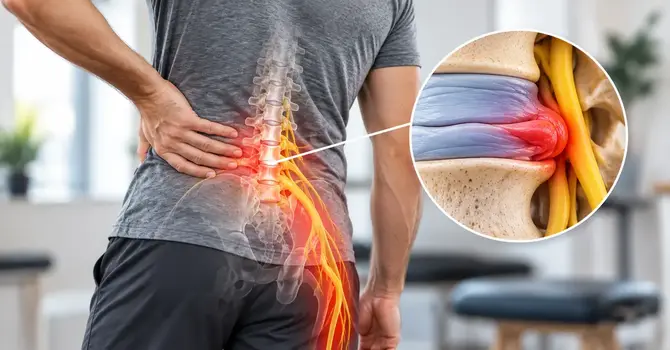
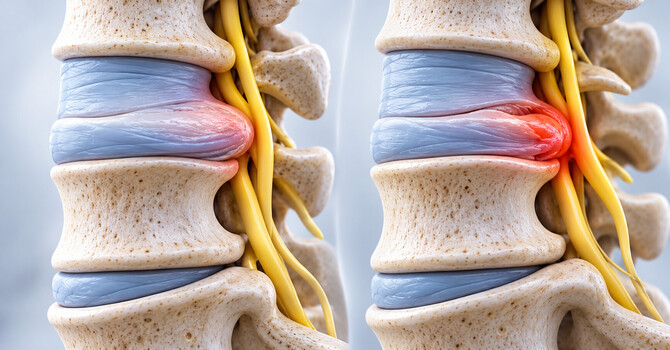
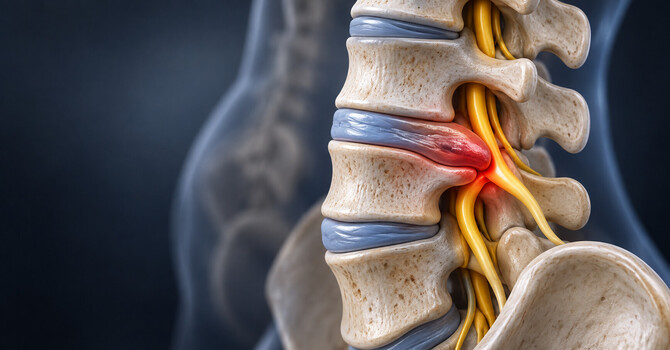
Sometimes pain that feels like it's coming from a joint can actually originate somewhere else.
For example, a problem involving the lower back or nerves can sometimes produce symptoms around the hip or leg.
That's why the location of pain alone doesn't always identify its cause.
Does Joint Pain Mean You Have Arthritis?
Not necessarily.
Arthritis is common, particularly as we get older, but pain and arthritis aren't the same thing.
X-rays frequently show age-related joint changes in people who aren't experiencing significant pain.
Likewise, someone can have joint pain without severe arthritis on imaging.
If an X-ray shows degeneration, the finding needs to be considered alongside your:
- Symptoms
- Examination
- Strength
- Range of motion
- Activity limitations
- Injury history
An imaging finding shouldn't be interpreted in isolation.
Is “Bone-on-Bone” Arthritis a Reason to Stop Exercising?
Usually, having arthritis doesn't mean you should stop moving.
Appropriate exercise can be an important part of managing osteoarthritis and maintaining your ability to perform everyday activities.
Depending on the joint involved, exercise may include:
- Walking
- Cycling
- Strength training
- Balance exercises
- Mobility exercises
- Gradually increasing recreational activity
The appropriate starting point depends on your current symptoms and abilities.
Strength Can Help Protect Your Ability to Stay Active
Your joints don't work alone.
Muscles help produce movement and allow your body to tolerate physical demands.
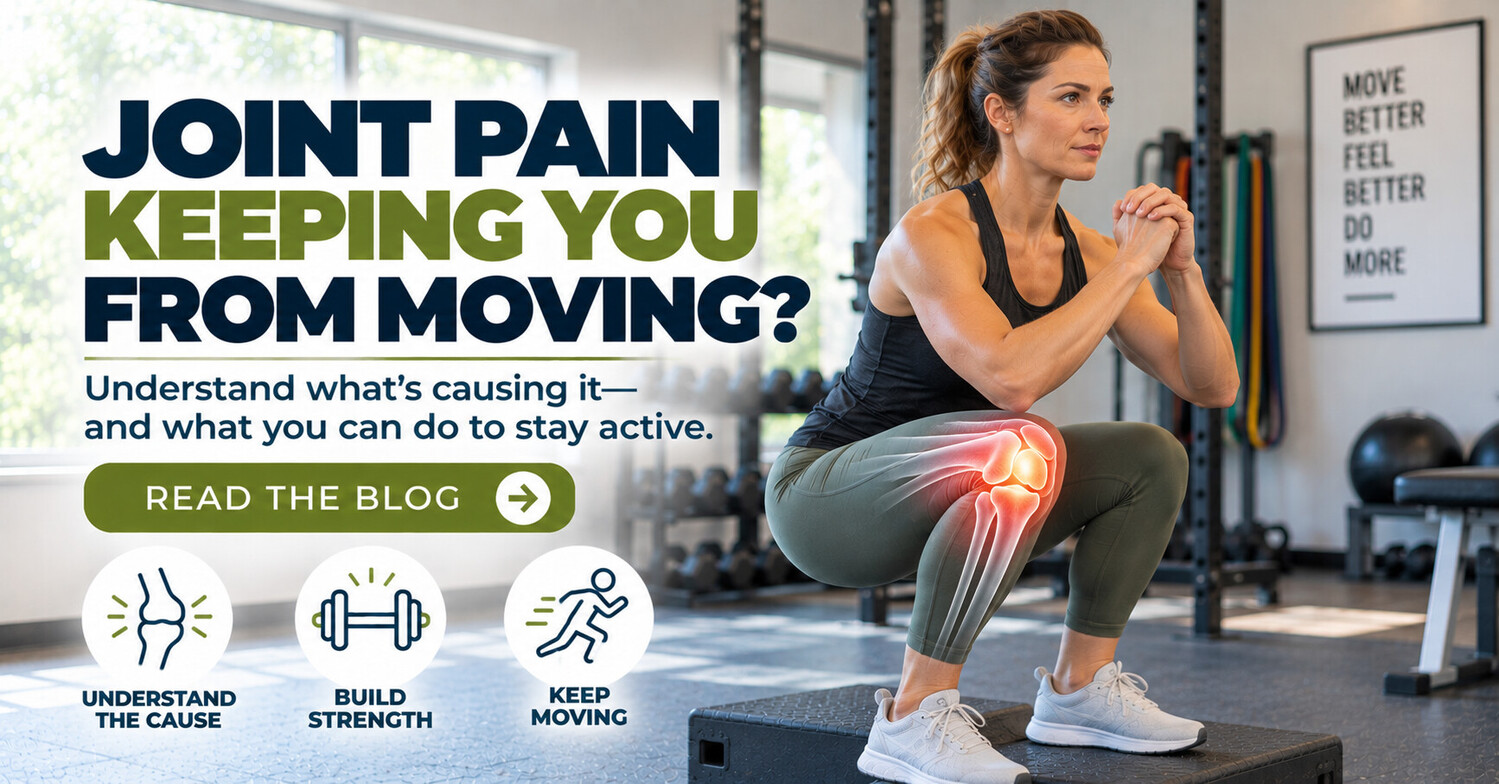
For someone with knee pain, for example, improving strength through the hips and legs may make activities such as walking, stairs, squatting, or getting out of a chair easier.
The same concept applies elsewhere.
Shoulder pain may benefit from progressively rebuilding shoulder strength.
Hip pain may require strengthening the hips and legs.
Persistent back problems may benefit from improving overall trunk and lower-body capacity.
That's one reason rehabilitation and movement can be an important part of managing joint pain.
What About Joint Stiffness?
A joint that feels stiff isn't necessarily physically “stuck.”
Stiffness can be influenced by several things, including:
- Prolonged inactivity
- Arthritis
- Recent injury
- Muscle soreness
- Joint irritation
- Reduced range of motion
Gentle movement often feels good when a joint is stiff.
If you're sitting for long periods, simply changing positions and moving periodically may help.
Can Chiropractic Care Help Joint Pain?
Depending on what's causing the symptoms, chiropractic care may be one option for managing certain musculoskeletal joint complaints.
Manual therapy or joint manipulation may help some people temporarily improve comfortable movement or reduce symptoms.
But the goal isn't to repeatedly put a joint “back into alignment.”
For many joint problems, treatment should also consider factors such as:
strength, mobility, activity tolerance and the demands you're placing on the joint.
What About Massage Therapy?
Massage therapy may help with muscle soreness or tension surrounding a painful joint.
For example, someone dealing with shoulder discomfort may also have significant muscle tension through the upper back and shoulder.
Massage can be useful for managing those symptoms.
But massage doesn't reverse arthritis or repair a significant structural injury.
It should be viewed as one possible tool rather than a cure for every type of joint pain.
Should You Rest a Painful Joint?
Sometimes temporarily reducing an aggravating activity makes sense.
But complete rest for long periods can also reduce your strength and physical capacity.
A better approach is often to find what you can tolerate and work from there.
That could mean temporarily:
- Reducing running mileage
- Using lighter weights
- Changing an exercise
- Taking shorter walks
- Reducing repetitive activity
Then gradually increase the demand as symptoms and function improve.
When Should Joint Pain Be Evaluated?
Consider having joint pain evaluated if you're experiencing:
- Persistent or worsening pain
- Significant swelling
- Loss of motion
- Significant weakness
- Joint instability
- Locking or catching
- Inability to bear weight
- Pain following significant trauma
- Redness or warmth associated with illness or fever
- Symptoms that aren't improving
Sudden severe symptoms following an injury may warrant more immediate evaluation.
Joint Pain Treatment in Maple Grove, MN
The goal shouldn't simply be to make a painful joint “pop.”
We want to understand why the joint hurts, what you're having difficulty doing, and what may help you get back to it.
At Northwood Chiropractic & Wellness, treatment for appropriate musculoskeletal joint complaints may include chiropratic care, rehabilitation and movement, massage therapy, activity modification, or referral for additional evaluation when necessary.
The goal is to help you move comfortably, build strength and stay active.
Start Feeling Better for Just $19
Your first visit includes a consultation, comprehensive exam, X-rays if needed, and your first chiropractic adjustment when clinically appropriate.

Dr. Greg Beenken
Contact Me