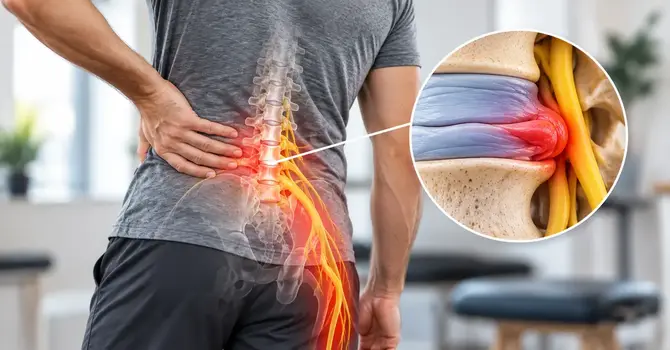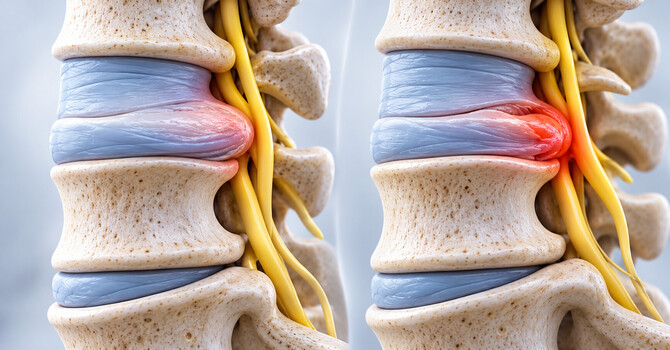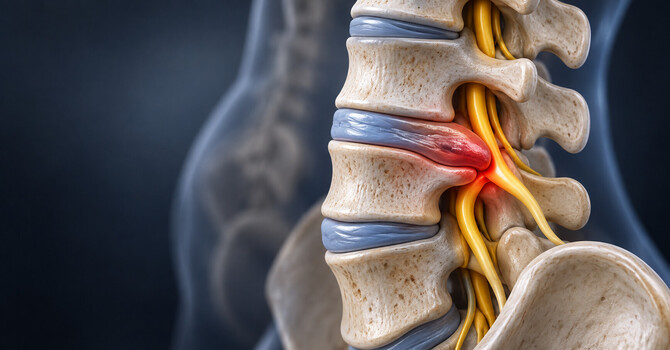
If twisting or stretching your back produces a satisfying pop, you've probably wondered:
Is it actually safe to crack my own back?
For most people, occasionally hearing or feeling a pop while stretching or moving your back isn't necessarily a problem.
But there's an important difference between normal joint popping, gentle self-mobilization, and repeatedly forcing your spine to crack because it constantly feels tight.
Here's what you should know.
What Actually Makes Your Back “Pop”?
The popping sound you hear when moving a joint is commonly called cavitation.
Your joints contain synovial fluid and dissolved gases. Changes in pressure inside the joint during movement can rapidly form a gas cavity, producing the familiar popping sound.
In other words:
The sound doesn't mean a bone was out of place and just went back into position.
And a louder adjustment doesn't necessarily mean a better one.
Is Cracking Your Own Back Dangerous?
Gentle movements that happen to produce a pop are generally different from aggressively twisting or forcing your spine.
If you stretch, rotate, or change position and your back naturally pops without pain, that's usually less concerning.
What I don't recommend is repeatedly forcing your back into extreme positions just to make it crack.
That's especially true if you're experiencing pain, numbness, tingling, weakness, or other symptoms.
Why Does My Back Feel Like It Needs to Crack?
This is actually the more useful question.
If you constantly feel like you need to crack your back, something may be contributing to that sensation.
Common possibilities include:
- Sitting in one position for long periods
- Muscle tension
- Temporary joint stiffness
- Limited mobility
- Repetitive activities
- Changes in training or physical activity
- Back pain
- A habit of repeatedly self-manipulating the same area
The pop may temporarily make the area feel looser without necessarily addressing why it keeps feeling stiff.
Does Cracking Your Back Cause Arthritis?
There's no good reason to assume that occasionally popping a joint automatically causes arthritis.
However, that doesn't mean aggressively manipulating your spine is a good idea.
If movement consistently causes pain—or you feel compelled to force the same area to pop multiple times every day—the bigger issue is figuring out why that area continually feels uncomfortable or restricted.
Why Does Cracking My Back Feel Good?
There are several possible reasons.
Moving a stiff area can temporarily change how the joint and surrounding tissues feel. Stretching may also reduce muscle tension and provide a short-term feeling of increased mobility.
That can make the area feel better immediately.
But temporary relief doesn't necessarily mean you've corrected the underlying problem.
If the same discomfort returns shortly afterward, repeatedly chasing the pop may not be the best solution.
Is a Chiropractic Adjustment Different?
Yes.
A chiropractic adjustment isn't simply about producing a cracking sound.
Before recommending treatment, a chiropractor should consider your symptoms, health history, movement, neurological findings when appropriate, and other examination findings.
The goal is to determine whether manual treatment is appropriate and how it fits into the overall treatment plan.
And sometimes the best treatment isn't an adjustment at all.
What If My Back Keeps Feeling Tight?
If your back repeatedly feels stiff or uncomfortable, movement and exercise may be more useful long-term than simply trying to crack it.
Depending on what's contributing to the problem, treatment might include:
- Mobility exercises
- Strengthening
- Changes in activity
- Progressive exercise
- Rehabilitation and movement
- Chiropractic treatment
- Massage therapy
The objective should be to help you move comfortably and rely less on treatment over time, not make you dependent on having your back cracked.
When Should You Stop Cracking Your Own Back?
Don't force your back to pop if doing so causes or worsens:
- Sharp pain
- Pain traveling into your leg
- Numbness or tingling
- Weakness
- Significant dizziness
- New neurological symptoms
- Symptoms following a significant injury
Persistent symptoms deserve an evaluation rather than increasingly aggressive self-manipulation.
What About Cracking Your Own Neck?
I'd be more cautious about deliberately and forcefully manipulating your own neck.
Gentle movement that happens to produce a pop is one thing.
Repeatedly using your hands to force your neck into end-range rotation in an attempt to make it crack is something I wouldn't recommend.
If your neck constantly feels like it needs to pop, an evaluation may help determine why you're experiencing that sensation.
Chiropractic Care for Back Stiffness in Maple Grove, MN
You don't need to panic because your back popped while stretching.
But if you're constantly twisting, stretching, and cracking your back because it always feels tight or uncomfortable, it may be worth figuring out why.
At Northwood Chiropractic & Wellness, we'll evaluate your symptoms, movement, and examination findings to determine whether chiropractic care, exercise, rehabilitation, or another approach makes sense.
Start Feeling Better for Just $19
Your first visit includes a consultation, comprehensive exam, X-rays if needed, and your first chiropractic adjustment when clinically appropriate.

Dr. Greg Beenken
Contact Me