What Is Whiplash?
Whiplash is a neck injury caused by a rapid back-and-forth movement of the head and neck.
During a car accident, the forces placed on the neck can affect the joints, muscles, ligaments, discs, and other soft tissues of the cervical spine.
Symptoms don't always appear immediately after a crash. Some people notice pain or stiffness within hours, while others become more symptomatic over the following days.
Common symptoms after an auto accident may include:
- Neck pain and stiffness
- Headaches, especially near the base of the skull
- Upper or lower back pain
- Shoulder or upper-back discomfort
- Reduced or painful neck movement
- Muscle tenderness or tightness
- Numbness, tingling, or pain into an arm or hand
- Dizziness or difficulty concentrating
Because similar symptoms can occur with different injuries, an examination helps determine what may have been affected and whether additional medical evaluation or imaging is appropriate.
Even a relatively low-speed collision can produce symptoms, so the amount of vehicle damage alone doesn't determine whether an injury occurred.
How We Evaluate Whiplash & Auto Injuries
After a collision, the examination should consider more than just where you're hurting.
We'll discuss how the accident occurred, when your symptoms began, and how they've changed since the collision.
Your examination may include:
- Neck and back range-of-motion testing
- Orthopedic testing
- Strength, reflex, and sensation testing
- Evaluation of the neck, shoulders, back, and surrounding soft tissues
- Screening for signs of nerve involvement
- Reviewing existing X-rays, MRI, or other medical records
- X-rays when clinically appropriate
If your examination suggests a more significant injury or neurological involvement, we may recommend additional imaging or referral for further medical evaluation.
The goal is to identify what was injured, document your findings, and determine the appropriate next step in your care.
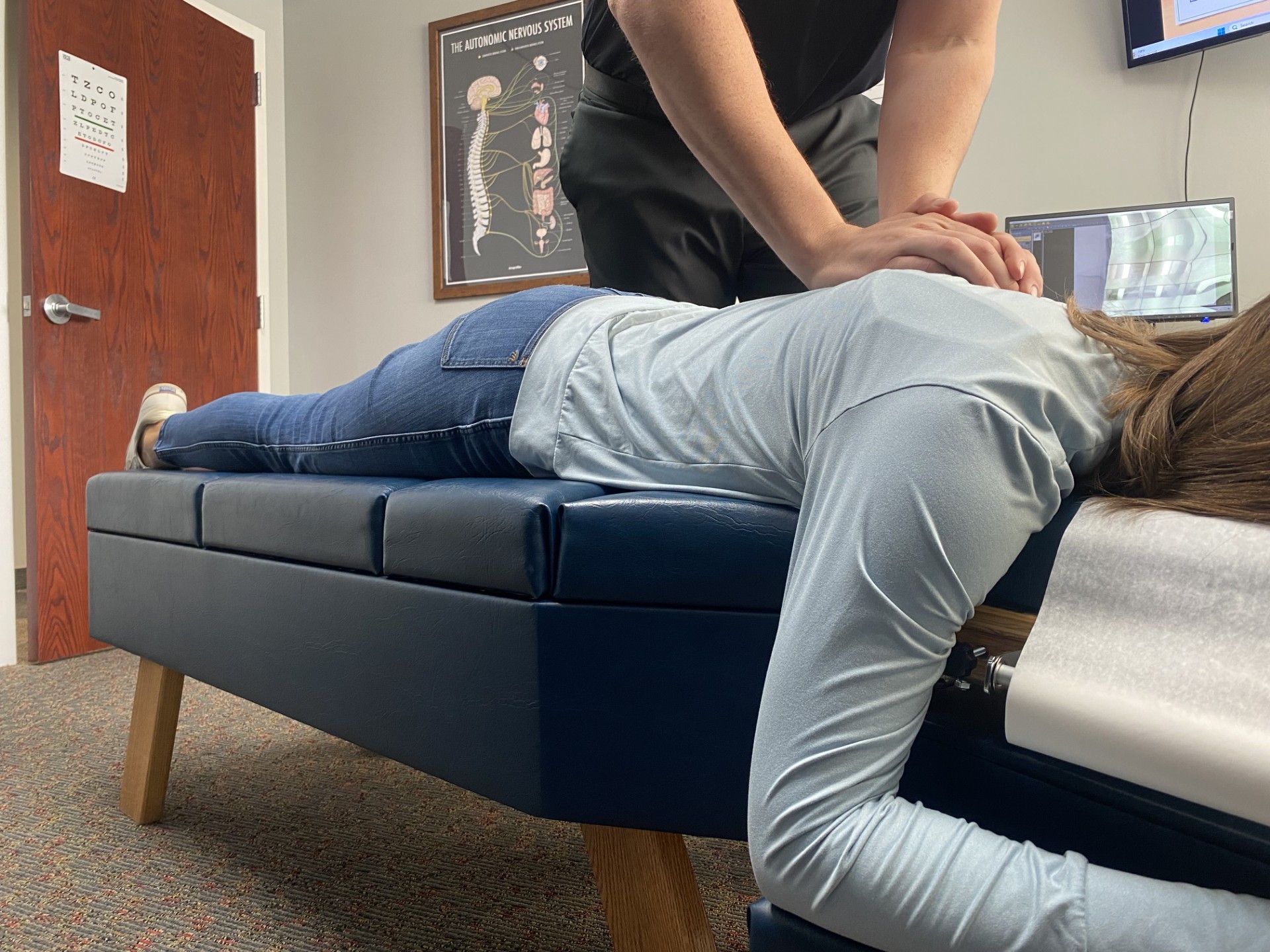
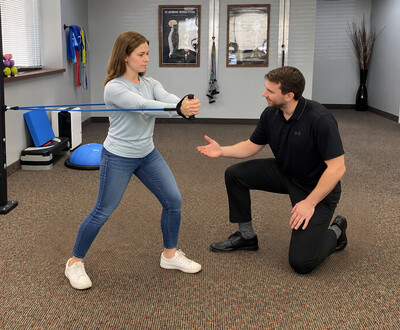
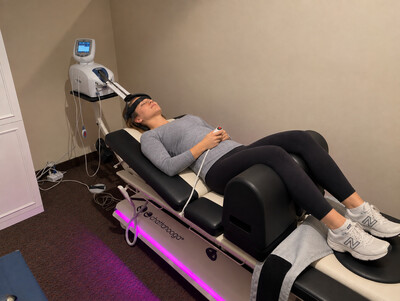
How Are Whiplash & Auto Injuries Treated?

When Should You Seek Immediate Medical Care After an Accident?
Some symptoms following a collision require emergency or prompt medical evaluation.
Seek immediate medical attention if you develop:
- Loss of consciousness, confusion, or significant changes in alertness
- New or rapidly worsening weakness or numbness
- Difficulty walking, maintaining balance, or coordinating movement
- Severe or rapidly worsening headache
- New vision or speech changes
- Loss of bowel or bladder control
- Numbness in the groin or saddle region
- Severe chest or abdominal pain
- Significant difficulty breathing
Symptoms can also change in the hours or days following an accident. If something feels substantially different or is worsening quickly, medical evaluation may be appropriate even if you were initially checked after the collision.
Our role includes recognizing when an injury requires care beyond what should be managed in a chiropractic office.
What Does Recovery From Whiplash Look Like?
Recovery varies from person to person, and symptoms don't always improve at the same rate.
As symptoms begin to improve, gradually returning to normal movement and activity is often an important part of recovery.
Depending on your injury, this may include:
- Restoring comfortable neck and back movement
- Gradually increasing normal daily activity
- Improving neck, shoulder, and trunk strength
- Reducing sensitivity to movements that initially aggravated symptoms
- Returning to work, exercise, driving, and recreational activities as tolerated
- Monitoring neurological symptoms as care progresses
Rather than relying only on pain levels, we'll also look at changes in movement, strength, function, and your ability to perform normal activities.
The goal is to help you safely return to your normal activities—not simply keep you coming in for passive treatment.
Injured in a Minnesota Car Accident?
We can help make the treatment and documentation process easier to navigate.
If your injuries are related to a motor vehicle accident, let us know when you schedule so we can collect the appropriate claim information.
Your records may include:
- Your history and details about the collision
- Examination and neurological findings
- Diagnoses related to your injuries
- Treatment provided at each visit
- Changes in symptoms and function
- Progress examinations when appropriate
We can also coordinate records with other healthcare providers, insurance companies, or attorneys when properly authorized.
Our focus is documenting your injuries accurately while helping you recover and return to normal activity.
Injured in a Car Accident? Start With an Evaluation.
We'll evaluate your injuries, document your findings, and help you determine the appropriate next step.
Whether your symptoms started immediately or developed in the days following the accident, we'll take the time to understand what happened and how the injury is affecting you.
Your visit may include a consultation, physical and neurological examination, review of available medical records or imaging, and X-rays when clinically appropriate.