What Causes Shoulder Pain?
The shoulder relies on several joints, muscles, tendons, and other tissues working together to produce comfortable movement.
Shoulder pain can develop gradually from repetitive activity or occur suddenly after an injury.
Common causes include:
- Rotator cuff tendinopathy or tears
- Biceps tendon irritation
- Subacromial pain and bursitis
- Shoulder joint or AC joint irritation
- Labral injuries
- Reduced shoulder or upper-back mobility
- Muscle strains and other sports-related injuries
- Arthritis and degenerative changes
- Falls, lifting injuries, or other trauma
Pain felt around the shoulder can also sometimes originate from the cervical spine or an irritated nerve in the neck, particularly when symptoms travel into the arm or are accompanied by numbness, tingling, or weakness.
Determining whether your pain is coming from the shoulder itself—or being referred from somewhere else—is an important part of the evaluation.
How We Evaluate Shoulder Pain
The location of your pain is only one part of determining what may be causing it.
Your evaluation may include:
- Shoulder range-of-motion testing
- Rotator cuff strength testing
- Orthopedic testing for the rotator cuff, biceps tendon, labrum, and shoulder joints
- Evaluation of the shoulder blade and upper back
- Neck examination when symptoms could be referred from the cervical spine
- Strength, reflex, and sensation testing when nerve involvement is suspected
- Review of previous X-rays, MRI, or other imaging when available
We'll also look at which movements reproduce your symptoms and how the problem affects activities such as reaching overhead, lifting, sleeping, working, exercising, or playing sports.
The goal is to determine which structures appear to be involved so treatment can be matched to your examination findings.
How Is Shoulder Pain Treated?

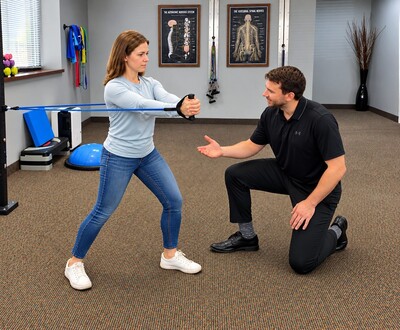

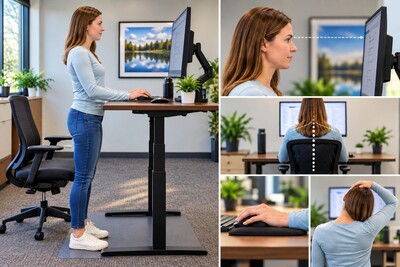
Activity Modification & Progression
When Should You Get Shoulder Pain Checked?
Shoulder pain that persists, limits movement, or affects your strength deserves a closer look.
Consider having your shoulder evaluated if you have:
- Pain that isn't improving or keeps returning
- Difficulty reaching overhead or behind your back
- Pain that interferes with sleep
- Weakness with lifting or carrying
- Pain after a fall, sports injury, or lifting injury
- Clicking, catching, or instability associated with pain
- Numbness or tingling extending into the arm or hand
- Difficulty returning to exercise, work, or sports
More urgent medical evaluation may be appropriate following significant trauma, an obvious deformity or dislocation, sudden substantial weakness, or other severe symptoms.
Persistent shoulder pain doesn't automatically mean something is torn—but an examination can help determine what may be limiting your recovery.
Can You Stay Active With Shoulder Pain?
In many cases, the goal is to modify painful activities—not stop using your shoulder altogether.
Depending on your injury, recovery may involve:
- Maintaining comfortable shoulder movement
- Temporarily modifying painful lifts or overhead activities
- Gradually rebuilding rotator cuff and shoulder strength
- Increasing tolerance for reaching, carrying, pushing, and pulling
- Progressively returning to the gym, work, golf, or other sports
As your shoulder improves, exercises and activity can be progressed based on how you move, how strong you are, and how your symptoms respond.
The goal is to build a shoulder that can handle the activities you want to get back to.
Ready to Get Your Shoulder Pain Checked?
Start with an evaluation to determine what may be contributing to your shoulder pain and limited movement.
Your $19 New Patient Special includes a consultation, comprehensive examination, X-rays if needed, and your first chiropractic adjustment when clinically appropriate.
We'll evaluate your shoulder, consider whether your neck or other areas may be contributing, and help you determine the appropriate next step.